

Exploring diverse cultural perceptions of gambling around the world
Exploring diverse cultural perceptions of gambling around the world
Historical Context of Gambling
The history of gambling is deeply woven into the fabric of many cultures. From ancient China, where rudimentary games of chance were played, to the Roman Empire’s dice games, gambling has been a significant aspect of human entertainment for centuries. Each culture has its unique interpretation of gambling, often shaped by social norms, legal frameworks, and religious beliefs. In some societies, gambling is viewed as a traditional pastime, while in others, it is met with skepticism or outright prohibition. For those interested in online gaming, exploring options like www.luckukcasino.co.uk can provide insight into modern betting experiences.
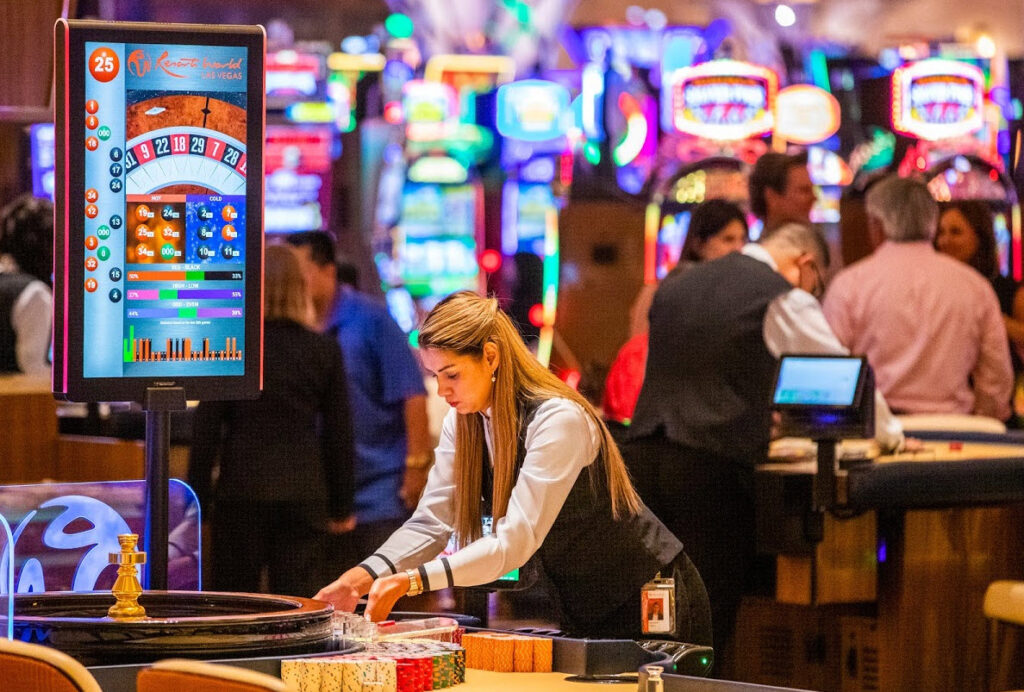
As societies evolved, so did their approach to gambling. In many Western cultures, the establishment of casinos in the 20th century marked a shift towards more organized forms of gambling, where regulations and consumer protection became important. In contrast, other regions maintained their traditional methods, emphasizing communal play and cultural rituals associated with games of chance.
Gambling and Religion
Religion plays a crucial role in shaping perceptions of gambling across the globe. In Islamic cultures, gambling is largely prohibited under Sharia law, leading to a societal view that frowns upon games of chance. This prohibition stems from the belief that gambling can lead to addiction and financial ruin, which conflicts with the moral and ethical teachings of Islam. Conversely, in some Christian cultures, gambling is accepted as a form of entertainment, provided it does not lead to detrimental consequences.
In contrast, cultures with minimal religious restrictions may embrace gambling as a way to celebrate festivals and community gatherings. This reflects a more liberal view where gambling is integrated into social practices rather than viewed solely as a vice. Thus, the intersection of religion and gambling can greatly influence societal norms and individual behaviors.
Cultural Celebrations and Gambling
Many cultures incorporate gambling into their celebrations and festivities. For example, during the Lunar New Year in China, games of chance are popular among families and communities as they signify good fortune for the year ahead. Similarly, in Italy, the “Il Palio” horse race is not merely a sporting event but also a cultural phenomenon that intertwines tradition, competition, and, notably, betting.
These cultural celebrations reflect the deep-rooted connection between gambling and social bonding. In many cases, they serve as a means to strengthen community ties and create shared experiences, illustrating that gambling can transcend mere financial gain to embody cultural identity and heritage.
Regulatory Differences Across Cultures
The regulation of gambling varies widely from one country to another, directly influencing how it is perceived and practiced. In places like the United States, gambling is highly regulated at both state and federal levels, resulting in a proliferation of casinos and online platforms that cater to diverse audiences. This regulatory framework helps to normalize gambling as a mainstream activity, encouraging responsible play and consumer protection.
On the other hand, countries with stricter regulations often see underground gambling activities flourish. This paradox creates a cultural perception that gambling is both alluring and risky, as individuals seek out illicit avenues for play. The contrast in regulatory attitudes showcases how laws can shape societal views on gambling, either legitimizing it or driving it underground.
Exploring Online Gambling Platforms
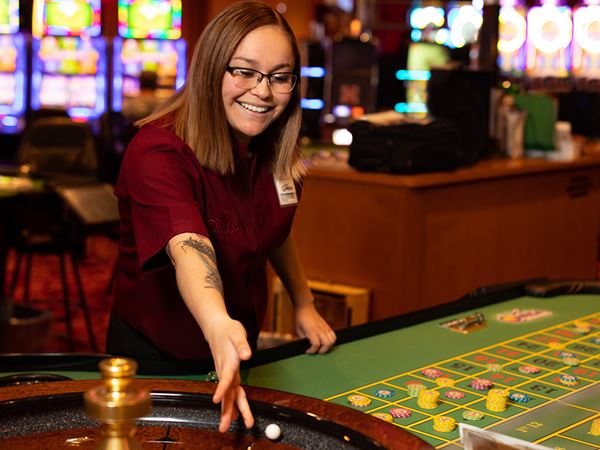
With the rise of the internet, online gambling platforms have become increasingly popular worldwide, offering a unique spin on traditional gambling. These platforms cater to a diverse audience, providing games that reflect various cultural preferences and perceptions. For example, while poker may be favored in the U.S., different types of slots inspired by local folklore may attract players in other regions.
Luck Casino UK is an example of an online platform designed to meet the varied needs of players, particularly in the UK market. With a user-friendly interface and a range of games, it emphasizes a secure and enjoyable gambling experience. This adaptability in online gambling reflects the growing acceptance of digital gaming as a legitimate form of entertainment, bridging cultural gaps and connecting players worldwide.
